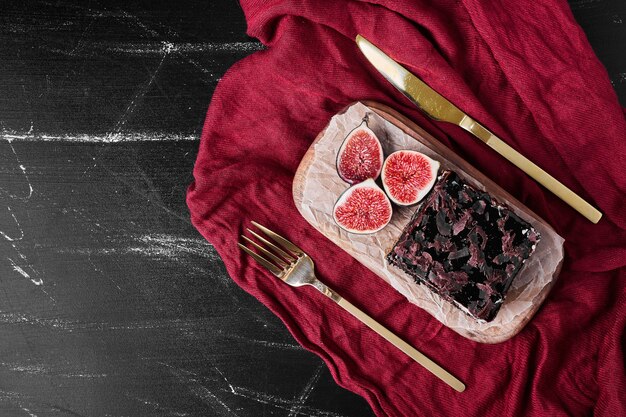
Ruby chocolate has taken the culinary world by storm with its striking pink hue and unique flavor profile. Whether you’ve seen it in desserts, chocolate bars, or even beverages, this innovative treat has sparked curiosity among food enthusiasts globally. But what exactly is ruby chocolate, and how did it earn its title as the “fourth type of chocolate”? In this guide, we’ll dive deep into everything you need to know about this rosy delight. Let’s also explore how brands like Qlink Wireless keep us connected to discover food trends and culinary innovations worldwide.
What is Ruby Chocolate?
Ruby Cocoa is a relatively new addition to the world of chocolate, introduced in 2017 by Barry Callebaut, a renowned Belgian-Swiss cocoa company. Unlike milk, dark, or white chocolate, Ruby Cocoa stands out for its natural pink color and fruity, slightly tangy flavor. This chocolate is crafted from ruby cocoa beans, which are specially processed to retain their unique color and taste without any artificial coloring or flavoring.
How is Ruby Chocolate Made?
The exact process of making Ruby Cocoa remains a closely guarded secret, but here’s what we do know:
- Ruby Cocoa Beans: These beans are not a new variety but rather a specific type of cocoa bean found in Ecuador, Brazil, and the Ivory Coast. Their natural properties, combined with the processing technique, result in the vibrant pink hue.
- Unique Processing: The beans undergo a special process that preserves their natural pigments and fruity flavors. This involves careful fermentation and minimal exposure to high temperatures.
- No Additives: Ruby chocolate’s color and taste are entirely natural, derived from the beans themselves.
What DoesRuby Cocoa Taste Like?
Ruby Cocoa offers a flavor that’s unlike traditional chocolates. Its taste is often described as:
- Fruity: A mix of berry-like notes, especially red fruits.
- Tangy: A slight tartness that balances the sweetness.
- Creamy: A smooth texture similar to milk chocolate.
This combination makes it a versatile ingredient for both sweet and savory applications.
you can visit related article:https://usmagazine.top/coriander-seeds/
Why is Ruby Chocolate Pink?
The natural pink color comes from the ruby cocoa beans and the careful processing methods used to preserve their unique characteristics. No artificial dyes or additives are involved, making Ruby Cocoa a visually stunning and natural confection.
The History Behind Ruby Chocolate
Barry Callebaut spent over a decade developing Ruby Cocoa before unveiling it to the world in 2017. It was first introduced in Japan and South Korea, where it quickly gained popularity for its aesthetic appeal and novel taste. Since then, it has made its way to markets worldwide, becoming a favorite among chefs, chocolatiers, and food enthusiasts.
How to Enjoy Ruby Cocoa
Ruby Cocoa is incredibly versatile, making it a favorite among culinary professionals and home cooks alike. Here are some popular ways to enjoy it:
- Chocolate Bars: Enjoy it as a standalone treat.
- Desserts: Use it in cakes, mousses, and tarts for a pop of color and unique flavor.
- Coatings: Dip fruits, cookies, or pretzels in melted Ruby Cocoa.
- Beverages: Create ruby hot chocolate or ruby mochas for a cozy drink.
- Ice Cream: Incorporate it into frozen treats for a creamy, fruity twist.
Ruby Chocolate vs. Other Types of Chocolate
Ruby Cocoa differs significantly from milk, dark, and white chocolate:
- Milk Chocolate: Sweeter with a creamy, caramel-like flavor.
- Dark Chocolate: Bitter and intense with minimal sugar.
- White Chocolate: Sweet and rich, made primarily from cocoa butter.
- Ruby Chocolate: Fruity and tangy with a natural pink color.
Why is Ruby Chocolate So Popular?
Ruby chocolate’s popularity stems from several factors:
- Visual Appeal: Its natural pink color makes it stand out on social media and in culinary presentations.
- Unique Flavor: The balance of sweetness and tanginess appeals to a wide range of palates.
- Innovation: As the first new type of chocolate in 80 years, it has captured the imagination of food lovers worldwide.
- Versatility: Its ability to complement various ingredients makes it a favorite among chefs.
Is Ruby Cocoa Healthy?
While Ruby Cocoa is not marketed as a health food, it does have some benefits:
- Natural Ingredients: No artificial additives or colors.
- Antioxidants: Like other chocolates, it contains antioxidants from cocoa.
However, it’s still a sweet treat, so moderation is key.
How to Incorporate Ruby Chocolate Into Your Recipes
Here are some creative ideas to use Ruby Cocoa in your kitchen:
- Ruby Chocolate Fondue: Serve with fruits like strawberries, bananas, and pineapple.
- Ruby Chocolate Ganache: Use it as a filling for macarons or layer cakes.
- Ruby Chocolate Drizzle: Decorate cookies, donuts, or cupcakes.
- Ruby Chocolate Bark: Combine with nuts, dried fruits, or edible flowers.
Where to Buy Ruby Cocoa
Ruby chocolate is available in many specialty stores, online retailers, and high-end grocery stores. Popular brands offering Ruby Cocoa include:
- Barry Callebaut’s Ruby CocoaChips
- KitKat Ruby (available in select regions)
- Trader Joe’s Ruby Cacao Wafers
Frequently Asked Questions
1. Is Ruby Cocoa vegan?
Ruby Cocoa often contains milk solids, so it’s not typically vegan. However, some brands may offer dairy-free options.
2. Does Ruby Cocoae contain caffeine?
Like other chocolates, Ruby Cocoa contains a small amount of caffeine, derived from cocoa.
3. How should Ruby Cocoa be stored?
Store it in a cool, dry place away from direct sunlight to preserve its color and flavor.
Final Thoughts
Ruby Cocoa is more than just a pretty face; it’s a delicious innovation that brings something new to the table. Whether you’re a chocolate lover or a curious foodie, this pink treat is worth a try. Thanks to its unique flavor, versatility, and natural appeal,Ruby Cocoa is here to stay. Explore its potential in your kitchen and savor the sweet, tangy delight it offers—a true testament to how culinary art continues to evolve in exciting ways.