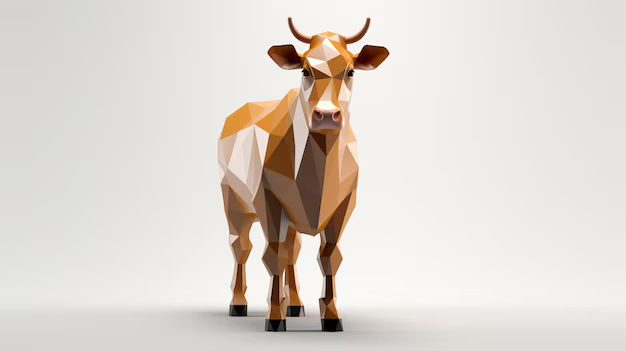
Imagine a world where cows, traditionally symbols of rural life and agriculture, are no longer just livestock. Instead, they are humanoid creatures, blending artificial intelligence (AI) and advanced robotics with the biological form of a cow.
This might sound like something straight out of a science fiction novel, but the concept of humanoid cows is becoming a topic of increasing curiosity as technology advances at an unprecedented rate. In this article, we will explore what humanoid cows are, the science behind them, and their potential impact on various industries, from farming to robotics.
The Rise of AI and Robotics in Agriculture
The fusion of AI and robotics with agriculture has already begun reshaping farming practices. Autonomous tractors, AI-driven crop monitoring systems, and even robotic milkers are transforming the way we think about farming.However, the concept of humanoid cows takes this revolution one step further by imagining a world where AI-powered, humanoid robots enhance or even replace animals, particularly cows.
You can also visit related article :https://usmagazine.top/cryogenic-freezing/
Humanoid cows represent an evolution in both robotics and AI, combining the biological traits of cows with the advanced capabilities of machines. People often envision them as robotic cows with human-like characteristics, capable of performing various tasks traditionally done by human workers or farm animals.
These tasks could range from milking cows to interacting with farm machinery, helping with the breeding process, or even working as assistants for farmers.
What Exactly is a Humanoid Cow?
A humanoid cow is a hypothetical robot designed to resemble a cow but with human-like features and capabilities. These robots would have the body structure of a cow, but with the added intelligence and dexterity of advanced AI.
The combination of biological elements and artificial constructs would give humanoid cows the ability to perform a range of functions in a farm environment, as well as adapt to different situations and interact with humans in ways that are traditionally not possible with animals.
At its core, a humanoid cow would have two main characteristics:
- Robotic Features: A humanoid cow incorporates mechanical and AI-powered components typically found in robotics, such as motors, sensors, and actuators. These would allow the robot to perform tasks such as moving, milking, cleaning, or even recognizing environmental factors.
- Biological Inspiration: The robot would draw inspiration from the anatomy and behavior of cows, particularly their size, shape, and natural movements. This combination of biology and technology would allow the humanoid cow to blend seamlessly into a farming environment, helping to bridge the gap between human workers, animals, and machines.
While the concept is futuristic, the groundwork for humanoid cows already exists in the form of AI-powered robots used in agriculture. Robotic systems like robotic milkers, autonomous tractors, and AI-driven farm management tools provide a glimpse into what the future could look like when animals and robots work side by side.
The Technology Behind Humanoid Cows
Creating humanoid cows involves several cutting-edge technologies, including artificial intelligence, robotics, bioengineering, and machine learning. These technologies would need to come together to create a functional and efficient humanoid cow capable of performing various tasks on a farm.
1. Artificial Intelligence (AI) and Machine Learning
AI would play a crucial role in the functionality of humanoid cows. By integrating AI, these robots could analyze their environment, make decisions, and adjust their behavior in real time. For example, an AI-powered humanoid cow might be able to detect when a cow is in heat, recognize when a cow needs milking, or even assist in feeding and healthcare tasks.
Machine learning algorithms would allow the humanoid cow to adapt to new tasks and improve its efficiency over time. As the humanoid cow interacts with the environment, it would learn from its experiences, constantly refining its actions and responses to different situations.
2. Robotic Components
The mechanical side of humanoid cows would include motors, sensors, and actuators that allow the robot to perform physical tasks. These components would give the humanoid cow the ability to move, manipulate objects, and carry out tasks like milking, cleaning, and feeding.
For example, the humanoid cow could be designed to milk other cows by using robotic arms and advanced sensing technology to identify the cow’s udder and apply the right amount of pressure. Similarly, sensors could be used to monitor the health of the cows, ensuring that all animals on the farm receive optimal care.
3. Bioengineering and Prosthetics
In the future, bioengineering could play a role in humanoid cows by creating organic components or prosthetics that mimic the functionality of cow anatomy. This might involve using artificial tissues or organic sensors to replicate certain biological functions, like the cow’s ability to digest food or produce milk.
For instance, humanoid cows could be equipped with synthetic udders that function similarly to those of real cows, allowing them to milk themselves or assist in milking tasks. Additionally, advancements in prosthetics might lead to robots that can mimic the muscle structure and movement of cows, further enhancing their functionality on a farm.
The Potential Applications of Humanoid Cows
While the idea of humanoid cows may sound bizarre, there are several potential applications for these AI-powered robots in the farming industry, healthcare, and beyond.
1. Revolutionizing Farming
Humanoid cows could help solve several challenges faced by modern farms, including labor shortages, efficiency, and animal welfare. With humanoid cows handling repetitive tasks like milking, feeding, and cleaning, farmers would have more time to focus on other aspects of their operation, such as herd management and improving animal welfare.
Additionally, humanoid cows could assist in reducing the environmental impact of farming by improving the efficiency of resource usage. AI-powered systems could monitor the health of the livestock, detect diseases early, and ensure that animals receive the proper nutrition and care, resulting in healthier animals and more sustainable farming practices.
2. Enhancing Animal Welfare
Humanoid cows could improve animal welfare by reducing stress and improving the living conditions of farm animals. For example, these robots could be programmed to interact with animals in a calm and gentle manner, helping to reduce anxiety or fear. They could also monitor the health of cows in real-time, alerting farmers to any signs of illness or distress, allowing for quicker intervention and better care.
3. AI and Robotics in Healthcare
The concept of humanoid cows could also have applications in healthcare, particularly in the field of rehabilitation or elderly care. With advanced robotics and AI, humanoid cows could act as assistants or companions for people with disabilities or those who need help with mobility. The combination of AI, robotics, and human-like features would make these robots ideal for providing care and support in a variety of settings.
The Ethical Implications of Humanoid Cows
While humanoid cows present exciting possibilities, their creation also raises several ethical questions. The use of AI and robotics to replace or enhance animals in agriculture challenges our traditional views of animal welfare and farming practices. Additionally, there are concerns about the potential consequences of creating robots that closely resemble living beings.
For instance, what would it mean for society if animals like cows were replaced by humanoid robots? Would it lead to the further mechanization of farming, where animals are no longer seen as living creatures but as mere resources to be replaced by machines? These are important questions to consider as we move toward a future where humanoid robots may play an increasing role in our daily lives.
The Future of Humanoid Cows
While humanoid cows are still a far-off concept, the rapid pace of technological innovation in AI, robotics, and bioengineering suggests that we may one day see robots that closely resemble animals or even enhance biological creatures. As AI and robotics continue to advance, the line between the organic and the synthetic will become increasingly blurred.
Humanoid cows could be just the beginning of a future where machines and living beings coexist and collaborate in ways we can’t yet fully imagine. From improving agricultural practices to enhancing human healthcare, these robots may play a vital role in shaping the future of technology, farming, and society.
Conclusion
Humanoid cows may sound like a strange and futuristic concept, but the combination of AI and robotics is pushing the boundaries of what’s possible in agriculture and beyond. With the potential to revolutionize farming practices, improve animal welfare, and create new opportunities in healthcare, humanoid cows represent an exciting and transformative future. As technology continues to evolve, we can only imagine the many ways that AI-powered, animal-inspired robots will reshape our world.