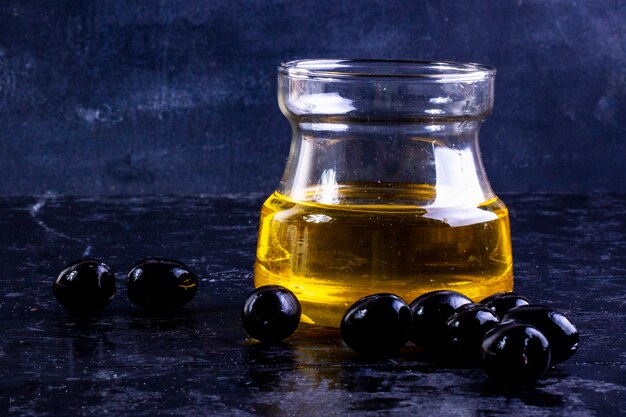
When it comes to healthy cooking and skincare, two oils often take center stage: grapeseed oil and olive oil. Both are renowned for their nutritional profiles and versatility, but how do they compare? In this guide, we’ll break down the differences, benefits, and best uses of grapeseed oil and olive oil to help you decide which one suits your needs better.
What Is Grapeseed Oil?
Grape oill is extracted from the seeds of grapes, a byproduct of winemaking. It has a light, neutral flavor and a high smoke point, making it ideal for a variety of cooking methods. Packed with polyunsaturated fats and vitamin E, it’s also a popular choice for skincare and haircare routines.
Key Nutrients in Grape oil:
- Vitamin E: A potent antioxidant that promotes skin health and protects cells from damage.
- Omega-6 Fatty Acids: Essential for brain function and cell growth but should be consumed in moderation.
- Polyphenols: Compounds that may help reduce inflammation.
What Is Olive Oil?
Olive oil, derived from olives, has been a staple in Mediterranean diets for centuries. Known for its rich flavor and health benefits, olive oil comes in several varieties, including extra virgin, virgin, and refined. It’s particularly famous for its heart-healthy monounsaturated fats and robust antioxidant content.
Key Nutrients in Olive Oil:
- Monounsaturated Fats: Help lower bad cholesterol (LDL) and raise good cholesterol (HDL).
- Vitamin K: Supports bone health and blood clotting.
- Polyphenols: Offer anti-inflammatory and antioxidant properties.
Health Benefits of Grapeseed Oil
Grapeseed oil is more than just a cooking ingredient. Here are some of its notable health benefits:
- Heart Health: The polyunsaturated fats in Grape oil can help reduce cholesterol levels when used in moderation.
- Skin Nourishment: Rich in vitamin E, Grape oil moisturizes the skin, reduces the appearance of scars, and combats free radicals.
- Improved Hair Strength: It’s a go-to ingredient for DIY hair masks, helping to strengthen and condition hair.
- High Smoke Point: Perfect for frying, grilling, and sautéing without breaking down into harmful compounds.
You can visit related article :https://usmagazine.top/vitamin-water/
Health Benefits of Olive Oil
Olive oil’s reputation as a superfood is well-earned. Here’s why:
- Supports Heart Health: The monounsaturated fats and antioxidants in olive oil reduce the risk of heart disease and stroke.
- Anti-Inflammatory Properties: Oleocanthal, a compound in extra virgin olive oil, acts as a natural anti-inflammatory agent.
- Brain Health: Regular consumption may improve cognitive function and reduce the risk of neurodegenerative diseases like Alzheimer’s.
- Promotes Digestive Health: Olive oil aids in digestion and supports gut health due to its anti-inflammatory and antimicrobial properties.
Cooking: Grapeseed Oil vs. Olive Oil
One of the primary considerations when choosing between grapeseed oil and olive oil is how you plan to use it in the kitchen.
- Smoke Point: Grapeseed oil has a higher smoke point (around 420°F/215°C) compared to olive oil (375°F/190°C for extra virgin). This makes grapeseed oil better suited for high-heat cooking like frying and grilling.
- Flavor: Grapeseed oil’s neutral taste makes it versatile for various dishes, while olive oil’s distinct, rich flavor shines in dressings, marinades, and drizzles over cooked meals.
- Nutritional Stability: Olive oil retains more nutrients during cooking, especially when used at lower temperatures or raw.
Skincare and Beauty Uses
Both oils are widely used in skincare, but their applications differ:
- Grapeseed Oil: Lightweight and non-greasy, it’s ideal for oily and acne-prone skin. It’s also a great carrier oil for essential oils.
- Olive Oil: Thicker and more hydrating, it’s better for dry skin and hair treatments. Its antioxidants also combat premature aging.
Environmental and Production Differences
- Sustainability: Grapeseed oil is often considered more sustainable since it utilizes the byproduct of winemaking.
- Processing: Extra virgin olive oil is less processed, preserving its natural nutrients, whereas grapeseed oil undergoes more refinement.
Which One Is Healthier?
The answer depends on your dietary and health goals:
- Heart Health: Olive oil has the edge due to its monounsaturated fats and anti-inflammatory properties.
- Weight Management: Both oils are calorie-dense, so portion control is crucial regardless of your choice.
- Cooking Needs: For high-heat cooking, grapeseed oil is the better option. For raw consumption or low-heat cooking, olive oil excels.
How to Incorporate Grapeseed and Olive Oil into Your Diet
Grapeseed Oil:
- Use it for stir-frying or roasting vegetables.
- Add it to baked goods for moisture and a subtle flavor.
- Mix it into homemade salad dressings or sauces.
Olive Oil:
- Drizzle over salads, pasta, or grilled vegetables.
- Use it as a base for dips like hummus or pesto.
- Sauté garlic and herbs in olive oil for a flavorful cooking base.
Potential Downsides
- Grapeseed Oil: High in omega-6 fatty acids, which can promote inflammation if consumed in excess relative to omega-3s.
- Olive Oil: Extra virgin olive oil has a lower smoke point, making it less suitable for high-heat cooking.
Final Thoughts
Both grapeseed oil and olive oil have their unique strengths. Grapeseed oil’s high smoke point and neutral flavor make it versatile for cooking, while olive oil’s nutrient density and robust taste make it a staple in healthy diets. By understanding their benefits and uses, you can choose the oil that best fits your lifestyle and health goals.
For most people, incorporating both oils into their routine ensures you get the best of both worlds. Whether it’s a crispy stir-fry with grapeseed oil or a drizzle of extra virgin olive oil over your salad, these oils can elevate your meals and enhance your well-being.